
Middle grades means independence, responsibility for students
Laurenne Hamlin worries about how her daughter will adjust to fifth grade at Concord Intermediate School. It’s what parents do.
But as a school counselor at CIS, Laurenne helps students make the transition and reassures moms and dads their kids will be just fine.
“That’s what we try to talk to parents about,” she says. “It can be such a hard transition for parents to let go. That’s my counselor side talking to my parent side.”
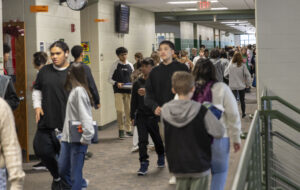
Students make the leap from elementary school each fall, and that move comes new expectations – getting to classrooms during passing periods, knowing more teachers and schedules, and adjusting to a locker with a combination.
Elkhart schools are adding sixth grade to the middle school for the 2025-26 school year. Concord continues with having fifth graders go to the Intermediate School while seventh graders advance to Concord Junior High.
School officials say they work to make the adjustment as easy as possible for students and prepare them for the next phases of school and life.
Changes at Elkhart
Elkhart Community Schools made the decision to move Grade 6 to middle schools following its 2022 feasibility study, says Dr. Amy Rauch, assistant superintendent of instruction.
“The data shows it improves student outcomes and facilities use,” she says.
Change is often met with concerns, but Amy says the district has been focused on making sure students and parents are aware of the switch.
“We want to be cognizant of that; it is a change. We wrapped up middle school parent night, we let them talk with counselors, teachers, and learn more about extracurricular activities,” she says. “Anytime you can get kids and families into the buildings, just walking around, is a good thing.”
Students can expect more structure in their days, she says. Changing classes, different teachers and more choices for elective classes. Amy says it’s all aimed at what comes next.
“We’re always preparing for high school,” she says. “That structure of the day is the biggest difference between elementary and middle (schools).”
Helping guide students through a period of change is part of what appeals to her about working with middle schoolers, she says.
“They’re going through a lot of changes,” she says. “They’re caught in the middle. It’s a good way to help them navigate and get them out of that elementary experience and ready for high school.”
Small fish, big pond
Laurenne, the Concord Intermediate guidance counselor, says the biggest transition in their district is all in the numbers.
“Most students have been in one building for 4 to 5 years, same grade levels, same kids, same teachers,” she says.
Entering fifth grade, they land in a new school fed from three other elementary schools. Suddenly, they’re part of an entirely new setup.
“The toughest transition is going from being a big fish in their previous building to not being the big fish,” says Laurenne. “That shift to a much physically bigger place and there are a lot more students.”
The numbers can make it understandably intimidating at first.
“There are 300 new kids, a brand new (to them) building, all new teachers, a different schedule set, and all kinds of kids that they have to get to know,” Laurenne says.
Part of setting the kids up for success is building a community for them, she adds.
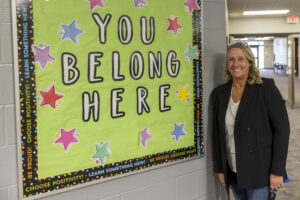
“Even though it may seem really, really big, we do everything we can to make it feel like a community,” she says.
Students are placed into two blocks with eight classrooms in each block with the students seeing two teachers per day.
“By the time it’s all split up, it feels slightly less big. It’s OK that it feels scary and takes time to adjust to,” Laurenne says. “They’re not alone — everyone feels scared.”
The next step
And after two years at the Intermediate, the jump to junior high.
Lisa Wright, the guidance counselor at Concord Junior High, says the next level of student autonomy goes along with it.
“At Intermediate, they still treat their day similar to elementary. They have two teachers but they still have specials, they still have recess,” she says. “Here they jump to seven, eight different teachers depending on their homeroom, they’re checking emails, checking Power School.”
Power School is a cloud-based system for checking grades and assignments.
“It’s more responsibility,” says Lisa, “and accepting that (responsibility), too.”
Parents letting go of some of those responsibilities and allowing their kids to advocate for themselves is part of the next process kids need to grow up, according to Lisa.
“Give them permission to have a voice,” Lisa says to parents. “I teIl kids that if I don’t know, I can’t help you.”
According to Lisa, having multiple teachers is an adjustment for both parents and students.
“Parents are used to dealing with one or two teachers and now they have several to contact,” Lisa says.
At times parents can feel like they’re being left out, but Laurenne says it’s not the case. It’s about giving students more ownership, but that parents can and should stay connected.
“That’s partly because we’re trying to teach kids some level of independence. It might feel like less communication to parents,” she says.
And Lisa says parents have more options to stay informed.
“Parents can have access, get signed up, and check kids’ grades. Make sure they’re getting things in,” she says.
Unlocking independence
One thing counselors say comes up often but is typically not as big of a deal as it’s made out to be is the hallway lockers.
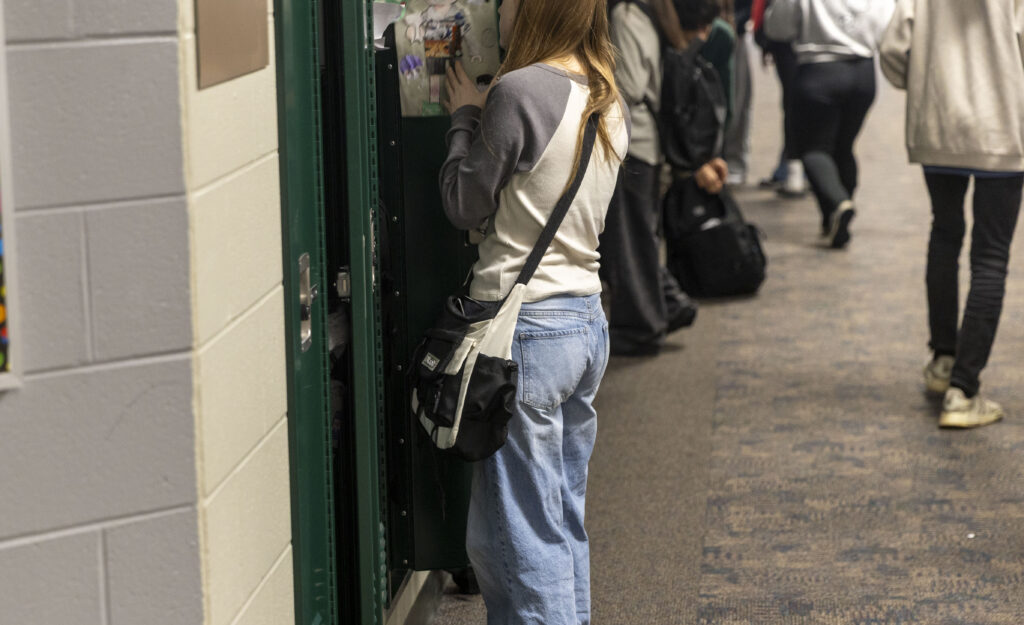
“The fear and dread over combination locks,” says Laurenne, laughing. “They have a locker, there is so much anxiety over the locker. We let them practice and the teachers help. By week three, it’s fine.”
Students managing their time with passing periods and lockers is something they learn quickly, adds Lisa.
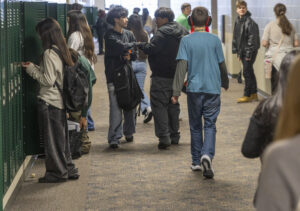
“They have five-minute passing periods and they’re having to figure out getting to their locker, use the restroom, visit with their friends,” Lisa says. “Organization is a huge transition.”
Overall, the counselors say that preparation is key and laying out the expectations through back-to-school nights and visits to the school are most helpful for incoming middle or junior high students.
“We are front-loading them on what we expect. Passing periods, lunch and phones (rules) are all the things that are different,” says Lisa.
Laurenne says the older students are helpful in the transition, too.
“We have all of the fourth-grade classes come to our building … the fifth graders talk to them about how they felt, and the fourth graders ask questions,” she says. “We really work hard here to create an environment of community and build a sense of belonging.”